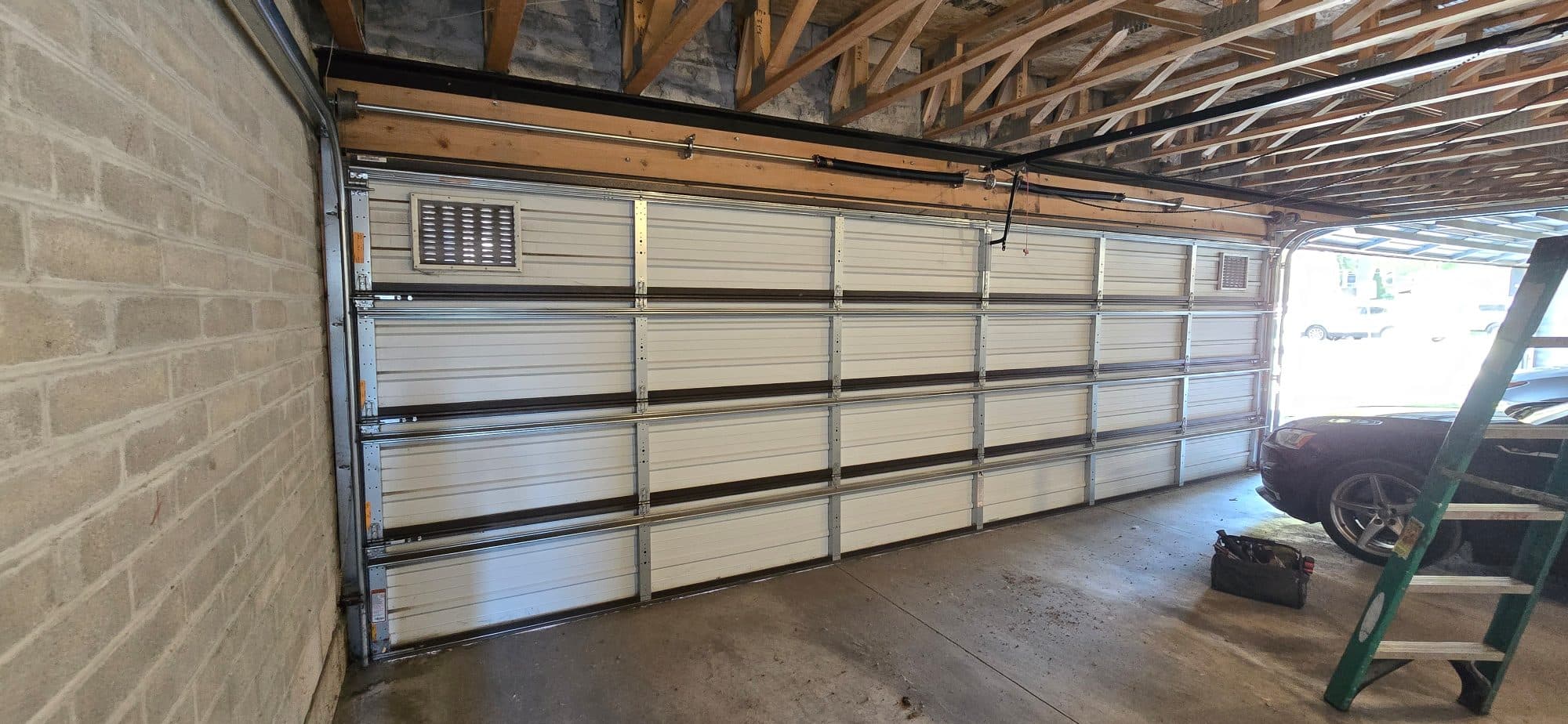
Replacement is the right answer less often than the industry likes to pretend. A door with good sections and tired hardware is a repair. A door with rot, rust through the bottom sections, repeated panel damage, or a discontinued profile that can no longer be matched is a replacement. We will tell you which one you have, and we would rather sell you a spring today than a door you did not need.
When replacement is right, insulation is the decision that matters most in this climate. Almost every attached garage in Chicagoland shares a wall with living space, and many have a bedroom or bonus room directly above. An insulated steel door with a polyurethane core changes how that room feels in January, cuts road noise, and is significantly more rigid than a single-skin door — which also means it stays straight longer.
Measurement is not a formality. Headroom, backroom, side room, and the exact opening decide what can physically be fitted: standard lift, low headroom hardware, or a high-lift conversion. Older Chicago and Evanston garages routinely have less headroom than modern hardware assumes, and detached alley garages are frequently out of square. We measure before quoting so the number we give you is the number you pay.
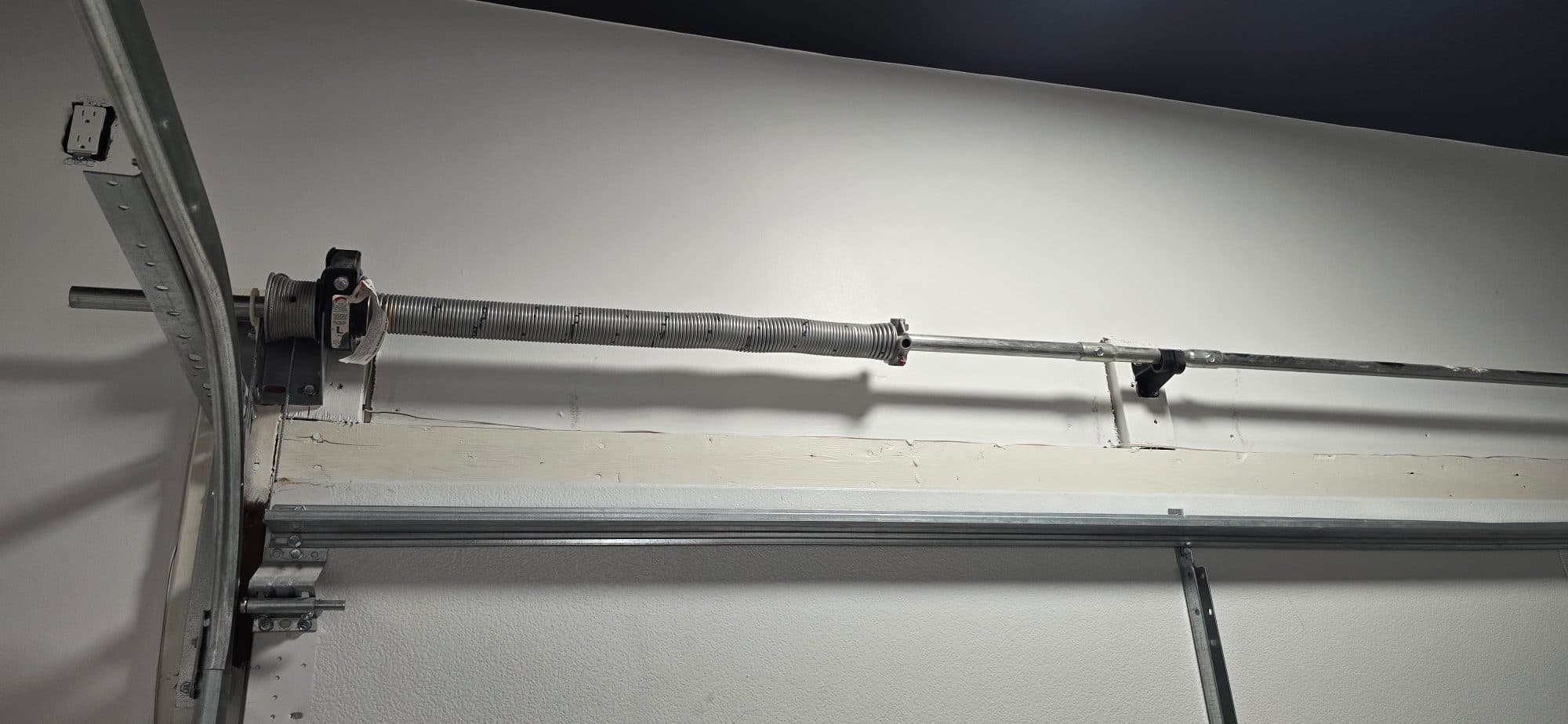
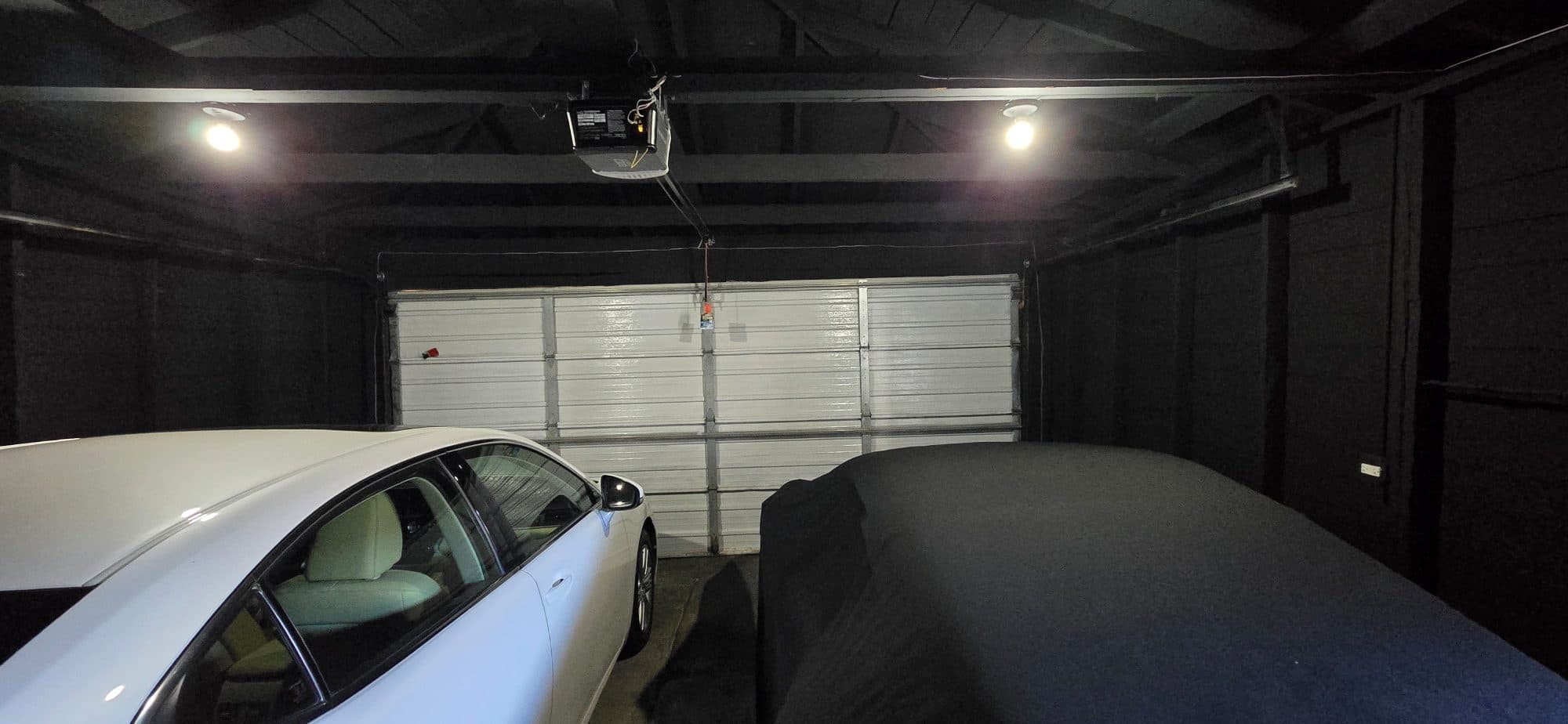
The install itself includes taking the old door away. Removal, disposal, new track and hardware, spring sizing for the new door's weight, and re-fitting or replacing the opener are all part of the job — not line items that appear afterwards.